Medical negligence
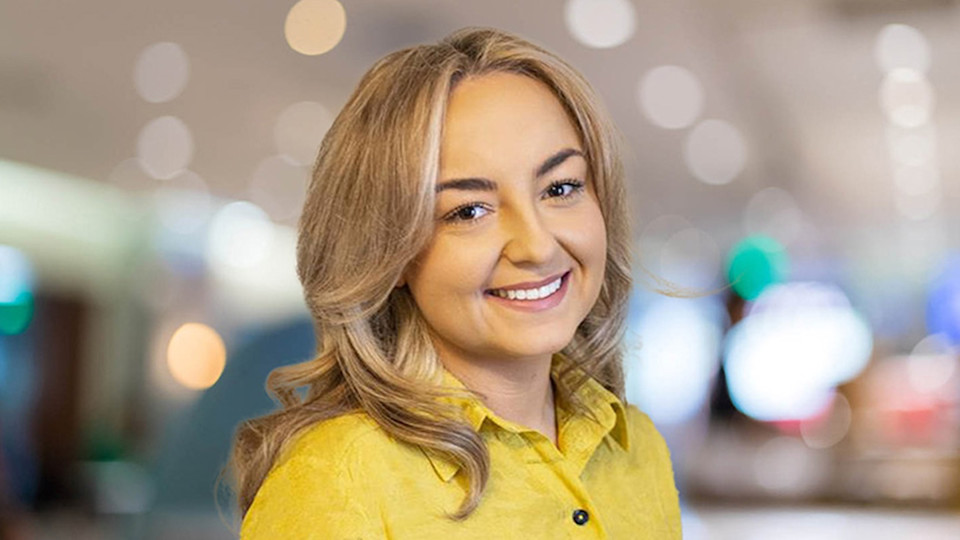
Chloe Gibson answers the questions patients are asking about treatment by County Durham and Darlington NHS Trust Breast Cancer Service
We sat down with Chloe Gibson to ask her the most common questions patients have been asking us about the scandal-hit County Durham and Darlington breast cancer service and what they should do if they're concerned about treatment.
Patients across County Durham and Darlington have raised serious concerns about the care provided by the County Durham and Darlington NHS Foundation Trust (CDDFT) Breast Cancer Service, including missed diagnoses, delays in treatment, communication issues, and unnecessary surgery.
With Durham Police now investigating whether any criminal offences may have been committed, and hundreds of cases already under review, the full scale of the issue is still emerging.
We understand that many patients may now be questioning the care they received and what this means for them moving forward. We spoke to Chloe Gibson, who is supporting affected patients, to answer some of the questions people may now be asking.
There’s been a lot of concern around the County Durham and Darlington breast cancer service, can you help us understand what’s been going on?
Chloe: Women have shared really devastating experiences of poor care, including failures to diagnose cancer, significant delays in treatment, unnecessary mastectomies, a lack of reconstruction options, and life altering scarring.
For many, this has meant undergoing treatment they may not have needed or not receiving the treatment they did need at the right time. In some cases, this has had very serious and lasting consequences for their health.
It’s had a profound impact, physically, emotionally, and in how they feel about the care they received, at a time when they should have felt supported and confident in what was happening.
What is the scale of this issue?
Chloe: The scale of this is significant, and it’s still unfolding.
We know that around 1,500 patient records are currently being reviewed as part of the Trust’s investigation, which is focused on care provided between 2023 and 2025. Many patients treated during that time will already have been contacted as part of that process.
But what’s important to understand is that this may not reflect the full picture. The Royal College of Surgeons report identified concerns dating back to at least 2019, and we’re already hearing from people whose treatment falls outside the current review, but who have very similar questions about their care.
So, while hundreds of women have already been identified as having suffered harm, the reality is that the number of people affected could increase significantly and may ultimately involve thousands as more patients come forward. If you have any concerns at all about your treatment, even if it falls outside the current review period, it’s still something we’re here to support you with, and we can help you find answers and understand what’s happened.
What should someone do if they’re worried about their treatment?
Chloe: I think the main thing is not to brush that feeling aside.
Some people will have already been contacted as part of the review, others won’t have heard anything at all. But either way, it’s still completely valid to want to understand what happened.
Often, that first step is simply talking it through. You can speak to us, and we’ll go over your experience with you, look at your treatment as a whole, and help you build a clearer picture of what happened and whether your care was in line with what would normally be expected.
There’s been reporting around individuals within the service. What do we know about that?
Chloe: Part of what’s being looked at is the role of individual clinicians, alongside wider concerns about how the service was run.
One of the central figures is Mr Amir Bhatti, the former clinical lead for breast cancer surgery. He was stopped from seeing patients while investigations took place, and his attempt to overturn those restrictions through the High Court has been rejected. However, he remains employed by the Trust on full pay while investigations continue.
What has been the impact on the patients you’ve spoken to?
Chloe: It’s been significant, and in many cases, incredibly difficult.
We’ve spoken to women who have gone through major surgery that they later questioned, others who experienced delays that affected their treatment options, and patients who are now living with long-term consequences for their health and independence.
In one case we’re supporting, an 80-year-old woman underwent three surgeries in the space of 12 weeks, including a mastectomy she was later told may not have been necessary. She described her experience as feeling like a “cattle market”, being left waiting for hours and then seen for only seconds.
For many, it’s not just the physical impact, it’s coming to terms with what happened, and the feeling that at a time when they needed care and support, they were let down.
What would you say to someone who is starting to question their care?
Chloe: I’d say it’s completely understandable to feel that way. For many people, it starts with a sense that something wasn’t quite right, even if they can’t fully explain why.
You don’t need to be certain that something went wrong to ask questions. Wanting to understand your care, and to feel confident in what happened, is a very natural and important step.
If you’re concerned about your treatment
If you or a loved one received care from the County Durham and Darlington Breast Cancer Service and have concerns about your treatment, you can contact Slater and Gordon for a free, confidential conversation.
Our specialist clinical negligence team is already supporting a number of affected women and understands how difficult it can be to start asking these questions. We’re here to listen, to talk things through at your pace, and offer free, confidential guidance whenever you're ready. You can call us on 0330 041 5869 or get in touch online.